
Flash Edition 09

Welcome to P2C Flash!
Welcome to the ninth edition of P2C Flash, designed to amplify the voices of pledgers and spotlight their impactful commitments to advancing global connectivity and digital transformation. With over 1,000 pledges from over 480 entities across 150 countries, the Partner2Connect (P2C) Digital Coalition continues to drive meaningful change in the digital landscape. P2C Flash is a monthly publication dedicated to showcasing these contributions, from inspiring impact stories and government initiatives to local innovations and new pledges, all with the goal of fostering a global community united by the mission of universal meaningful connectivity. Join us as we bring these efforts to the forefront and highlight the diverse initiatives shaping the future of sustainable digital transformation worldwide.
Click here to learn more about how to get featured in our upcoming editions.
Click here to read the email version of this edition.

Welcome New Pledges
iamtheCODE FOUNDATION: Enabling one million women and girls to become coders by 2030
The One Million Women & Girls Coders Pledge is a global commitment led by iamtheCODE to empower and equip 1,000,000 women and girls by 2030 with coding, digital literacy, and AI skills. iamtheCODE will leverage its learning platforms offering 65,000 courses, with an estimated value of over USD 5 million, complemented by mentorship networks, role models, and inclusive pathways into the digital economy. Starting in 2025, the pledge will expand across Africa, the Americas, the Arab States, the Commonwealth of Independent States, and the Asia-Pacific, with early activity including Jamaica.
Learners will gain foundational skills in coding and AI, paired with STEAMD activities that spark creativity and entrepreneurship. iamtheCODE welcomes collaboration with governments, the private sector, UN agencies, and philanthropy to scale connectivity, training, internships, and job placements, ensuring no girl is left behind in the digital economy.
Réseaux IP Européens Network Coordination Centre (RIPE NCC): Developing Internet Infrastructure and Skills for an Inclusive Digital Future
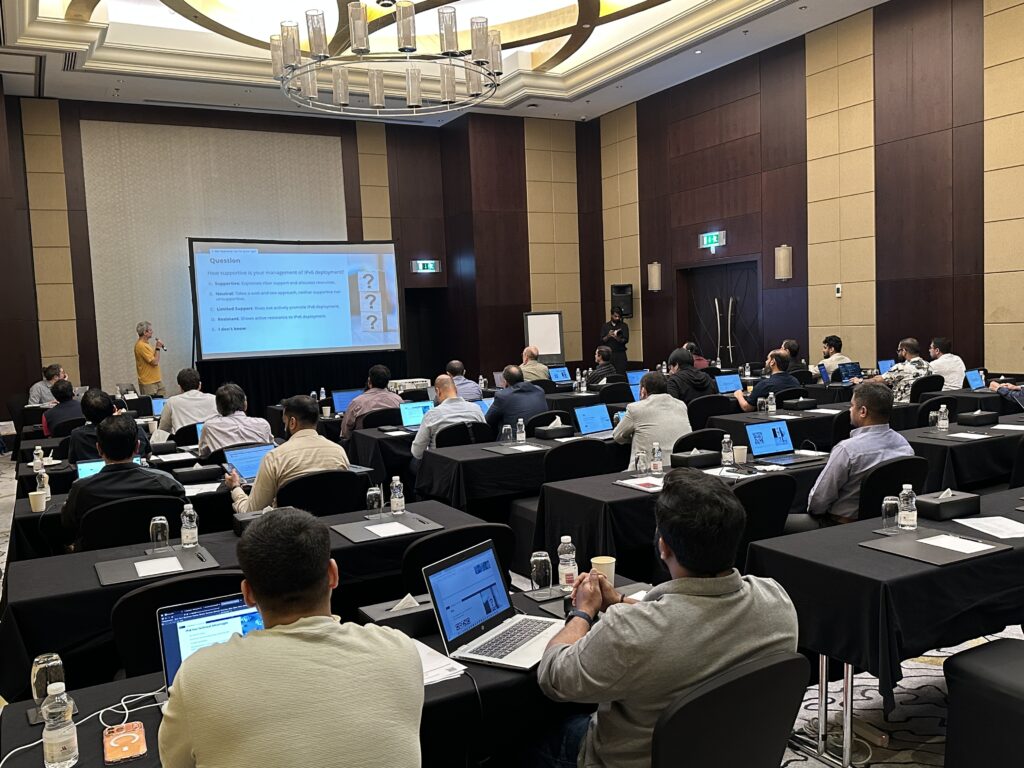
The RIPE NCC has pledged USD 700,000 to empower individuals, the Internet community, governments, regulators, network operators, Internet Service Providers, and other stakeholder groups to develop scalable, secure, resilient, and inclusive Internet ecosystems that support sustainable digital transformation. This two-year initiative, running from 2025 to 2026, is dedicated to delivering over 100 in-person training courses and webinars, reaching more than 1,500 participants, and will onboard over 5,000 new learners to the RIPE NCC Academy. Collectively, these learners will complete more than 47,000 e-learning modules covering IPv6 deployment, routing security (RPKI, BGP), Internet measurements, and related technical, governance, and policy topics.
In 2025, the RIPE NCC onboarded over 2,700 new learners to its Academy platform, who have collectively completed over 24,000 e-learning modules. Furthermore, 56 in-person training courses and 31 webinars have directly engaged more than 1,300 professionals, fostering a collaborative community on critical topics such as IPv6 deployment and routing security. Each number reflects growing technical capacity, stronger communities, and deeper collaboration, contributing to an inclusive digital future.

Impact Stories
The Impact Stories section highlights the real-world transformations made possible through the P2C commitments. These stories bring to life the tangible benefits of connectivity, showcasing how innovative partnerships and bold initiatives are breaking barriers and empowering communities globally.
International Bridges to Justice (IBJ): Enhancing Access to Justice for Prisoners in India Using AI
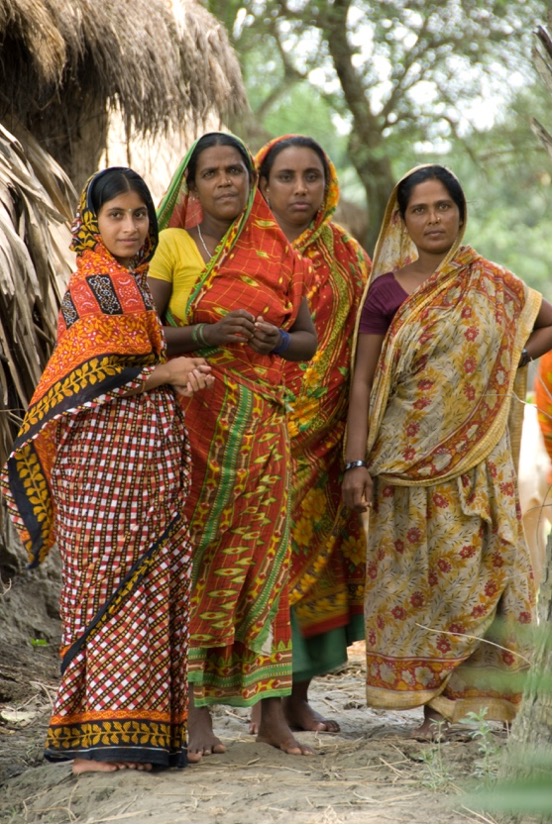
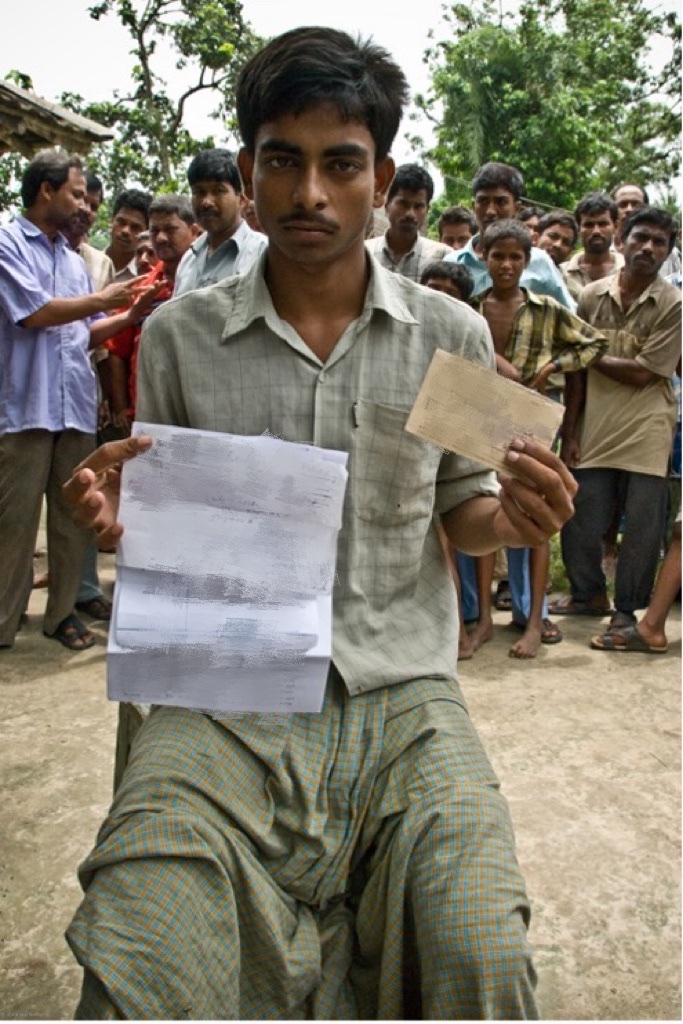
India has emerged as a leader in digital public infrastructure, leveraging innovative technologies to create widespread digital empowerment. Kanoon Varta is a natural extension of India‘s revolutionary e-Courts and AI initiatives. In India, around 65% of prisoners are illiterate or semi-literate. Case files are typically available only in English, a language spoken by just 11% of the prison population. The dense legal jargon adds another hurdle, resulting in many prisoners and their families struggling to understand basics like the charges and trial dates.
To address this, International Bridges to Justice (IBJ) has pledged to mobilize resources and partnerships valued at USD 8 million to revolutionize access to justice through Kanoon Varta, an AI-assisted, voice-controlled chatbot explicitly designed for Indian prisoners. This innovative system uses generative AI to navigate case file databases and deliver simplified explanations in conversational form, targeting 500,000 individuals across India’s prison system. A beta version of the Kanoon Varta agent has already been developed, enabling users to log in, answer case-related questions, and receive accurate responses.
IBJ is now seeking partnerships to enhance and scale the Kanoon Varta, and is also looking for technical or engineering talent to help advance development and bring the product to completion. Developing this is a critical step towards a wider global adoption to improve prisoners’ access to justice. Reach out to aozanian@ibj.org to connect.

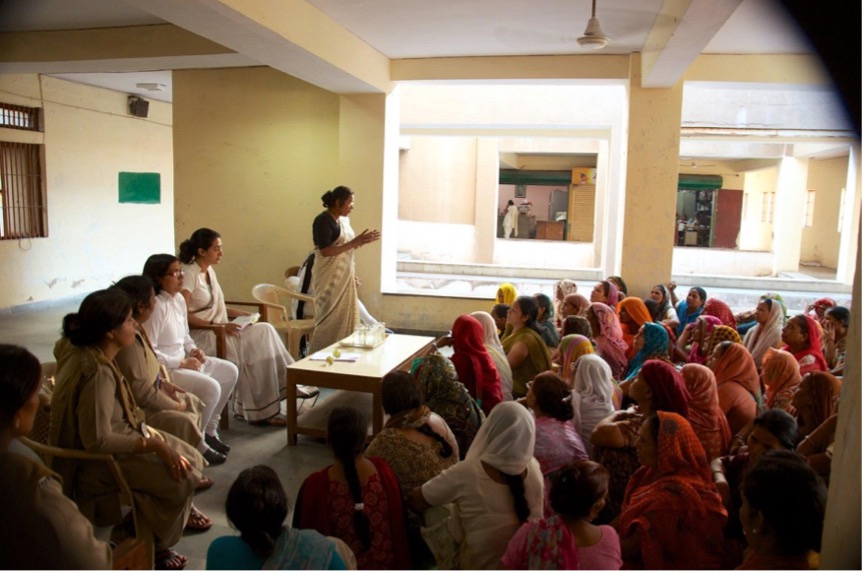
Beneficiaries of IBJ’s work in India


Singapore: Empowering Global Digital Readiness
Singapore, through a whole-of-government effort led by the InfoComm Media Development Authority (IMDA), the Ministry of Foreign Affairs, and the Cyber Security Agency, has pledged USD 7.5 million towards a comprehensive digital capacity development initiative for government officials and stakeholders worldwide, aimed at helping small and developing countries on their digital transformation journeys. This programmatic pledge, active from 2023 to 2026, targets over 2,400 individuals from small and developing states, focusing on building foundational skills in digital transformation, cybersecurity, and digital economy policies.
Between January 2023 and October 2025, Singapore has conducted 43 capacity building programmes, directly impacting more than 939 officials from over 94 countries. These in-person sessions foster deep engagement and knowledge sharing on critical topics such as data governance, artificial intelligence, and national cybersecurity strategy. The programme also facilitated valuable exchanges with small developed nations, including Switzerland, Ireland, and New Zealand.
Singapore IMDA also partnered with UNDP to pilot an Open Innovation Programme challenge in Trinidad and Tobago, benefiting an estimated 15,000 people. Launched in March 2024, the challenge identified problem solvers to address transport infrastructure issues in Small Island Developing States using data. Prize money was awarded to the winner to develop the solution, with the proof-of-concept completed in September 2025.
A notable outcome of this collaborative spirit is the co-creation of the AI Playbook for Small States, spearheaded by Singapore and Rwanda with contributions from 24 other small nations. Learn more about the AI Playbook here.
Mukti Mandiri Lestari: E-waste Management Initiative in Indonesia
Indonesia generates over two million tonnes of electronic waste annually, yet only about 7% is properly processed. Mukti Mandiri Lestari, an e-waste recycler operating three facilities near Jakarta, is working to change that. Mukti Mandiri Lestari has pledged USD 32 million for the period 2024–2029 to transform e-waste management in Indonesia, with the goal of expanding its recycling capacity fivefold, from 10,000 to 50,000 metric tons by 2030.
The initiative encompasses comprehensive e-waste recycling facilities, cost-effective standard data sanitization, and secure data destruction services. Already demonstrating significant progress, Mukti Mandiri Lestari has processed 8,750 metric tons between January and October 2024, establishing a strong foundation for achieving the ambitious targets. Its strategic partnership with Smartfren Indonesia demonstrates the power of public-private collaboration in driving sustainable digital transformation and environmental protection across the Asia-Pacific region. For more information, please read: Indonesian e-scrap recycler targets thousands of communication towers.
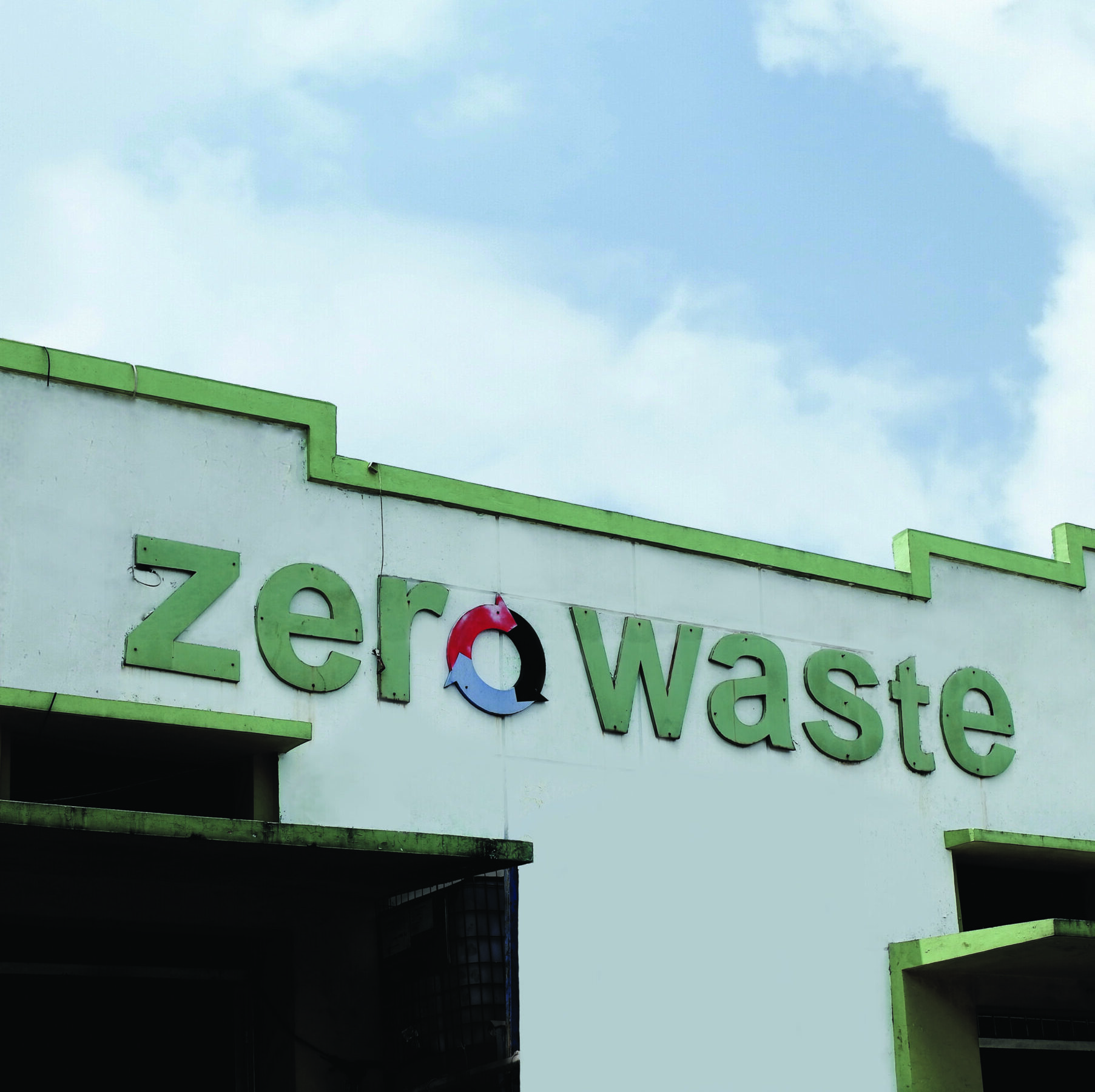

Pledge Highlights: Access For All
The Pledge Highlights: Access For All emphasises the shared global commitment to expand inclusive digital infrastructure, ensure affordability, and strengthen cybersecurity as essential pillars of meaningful connectivity. By extending broadband networks and mobile coverage to underserved areas, promoting fair and inclusive access to the internet and devices, and building secure, resilient systems that protect users, this collective effort drives sustainable digital transformation.

Web-sourced photos
e&: Driving Resilience and Digital Inclusion
e& is dedicating over USD 2 million in specific services and platforms to address critical challenges in climate resilience and digital inclusion. At the forefront of this effort is a push to reduce environmental vulnerability across Arab nations. e& is developing a Climate & Natural Disaster Crises Platform with AI models to generate actionable insights from publicly sourced data, helping to protect the 480 million people living in the Arab states. The platform’s capabilities are supporting real-time identification of critical needs, monitoring of alerts, sentiment analysis across affected communities and agencies, and more proactive coordination of emergency response.
Beyond crisis response, e& is also deeply invested in human capital and economic empowerment. In collaboration with the UNDP through the Future Skills Academy, e& is preparing to offer free access to knowledge resources to over 35 million subscribers in Egypt. The project is now in its final stage of technical implementation. Furthermore, e& and UNDP are widening access to the FutureSkills4All platform and supporting the Arab Knowledge Project, helping countries strengthen digital capacity, knowledge access, and inclusive digital transformation.
Communications Regulatory Authority of Namibia (CRAN): Building trust in the use of ICT and digital services by establishing the Namibia Cyber Security Incident Response Team (NAM-CSIRT)
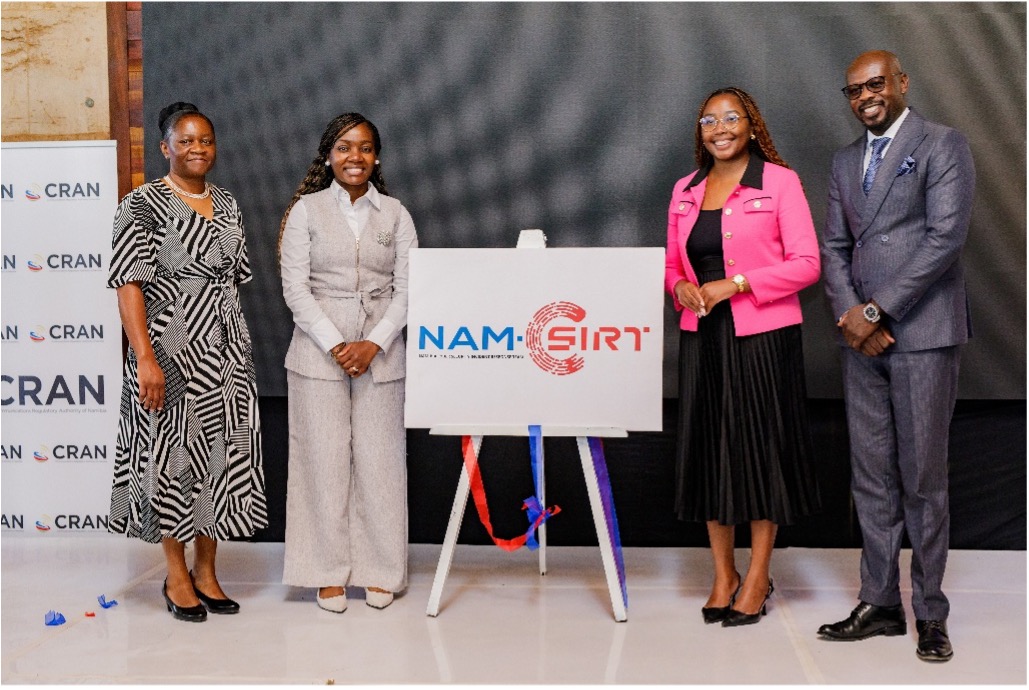
Namibia has taken a decisive step to strengthen digital trust. On 14 April 2025, the Communications Regulatory Authority of Namibia officially launched a national CSIRT, the Namibia Cyber Security Incident Response Team (NAM-CSIRT), with a commitment to secure critical information and critical information infrastructure. NAM-CSIRT’s mandate is to safeguard networks, coordinate incident response, and promote cyber awareness nationwide.
The team supports the security and stability of the Republic of Namibia’s critical infrastructure and information systems by acting as the cyber-incident response coordination point for both public and private institutions, government bodies, and agencies (“the constituents”). Its activities cover prevention, detection, monitoring, response, reporting, and the issuance of advisories for constituents.
The early operational record, compiled through June 2025, underscores both the scale of the digital challenge and the intensity of the team’s surveillance. Over the past 3 years, NAM-CSIRT has seen over a record of 3,563,144 cyber events, flagged 6,717,805 distinct vulnerabilities, and formally managed 7 major ransomware incidents across the cyber landscape of Namibia.

Pledge Highlights: Digital Inclusion
The Pledge Highlights: Digital Inclusion spotlights initiatives that bring marginalized groups, including women, youth, rural populations, and persons with disabilities, together. By advancing connectivity, skills, and participation for all, these commitments embody the collective drive to close the digital divide and foster inclusive growth.

The Office of Electronic Communications (UKE) of Poland: Child Online Protection Initiative
In an era where children are increasingly connected to the online world, the digital environment offers both unprecedented opportunities and significant risks. The Office of Electronic Communications (UKE) addresses this challenge with a long-term commitment to strengthening child protection on the internet through nationwide educational programmes. The #keepCTRL campaign is an educational initiative primarily aimed at children and young people, promoting safe and responsible internet use. It tackles key issues such as hate speech and phishing. The initiative addresses, among other things, dangerous phenomena related to online activity, including internet and social media addiction, sexting, and cyberbullying. The project also pays attention to how to prevent and respond to threats, protect personal data and devices, and verify information.
Global recognition of the #keepCTRL project as a WSIS Prize 2023 highlights its effectiveness and innovative approach. In 2025, UKE conducted webinars for 166,000 primary school students. During these sessions, the programme covered topics such as hate crime incidents and hate speech, sexting, disinformation, fake news, and phishing. UKE is always committed to sharing its experience with international partners, by encouraging broader regional cooperation in the field of child protection on the internet and digital skills.
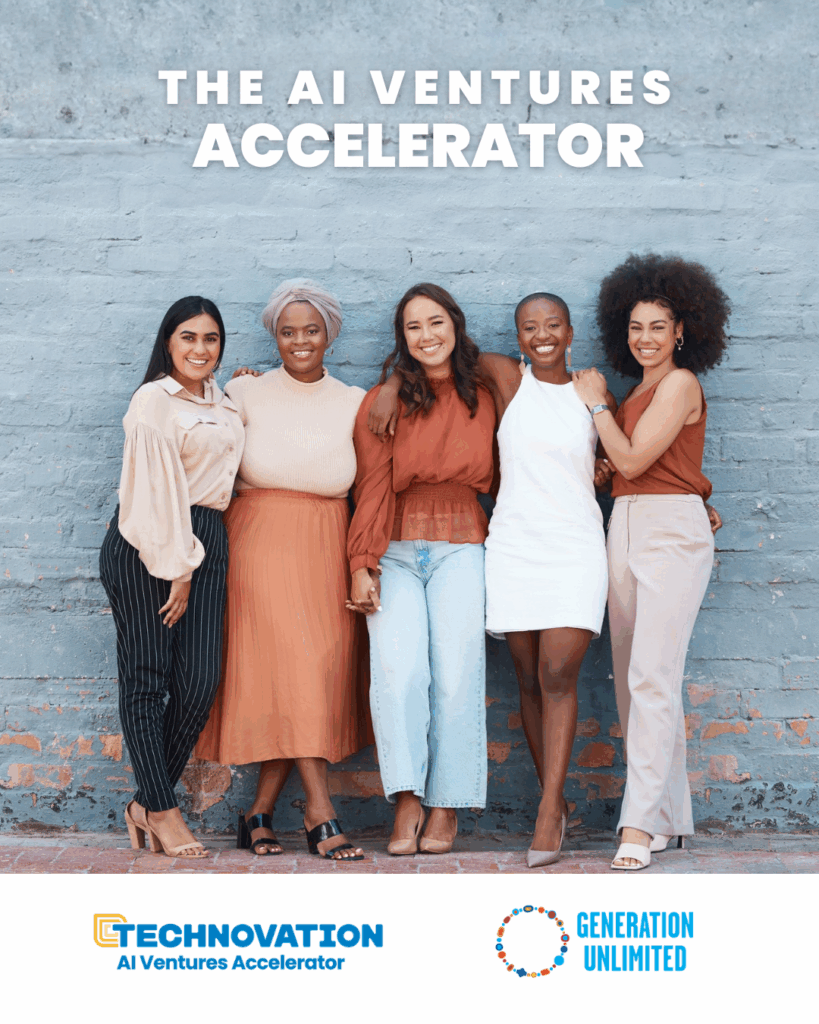
Generation Unlimited and Technovation: Bridging the Gender Gap in AI and Entrepreneurship
Generation Unlimited, an initiative anchored in UNICEF, and Technovation have launched the “AI Ventures Accelerator” designed to bridge the Gender Gap in AI and Entrepreneurship. Young women participants aged 19-24 are being trained to lead in an AI-first economy through a dedicated curriculum, mentorship, and support. With a significant estimated financial commitment of USD 12 million, the initiative aims to reach 216,000 people between 2025 and 2030.
The accelerator serves as a critical intervention to close the digital divide by equipping participants with future-proof skills, including AI toolchaining, ethical AI auditing, “investable” storytelling, and entrepreneurial resilience. The curriculum guides young women through cutting-edge AI learning and structured entrepreneurship practice as teams engage in real-world problem-solving and compete to launch their own AI-powered businesses.
The pledge is already in full gear, with an initial pilot phase serving over 1,000 young women across Mexico, India, and Nigeria. Following an application window in late 2025, accepted teams are scheduled to begin the accelerator in January 2026. These cohorts will develop their concepts over several months before submitting AI-powered business pitches in March, culminating in a high-profile Demo Day and equity-free seed funding for the top ten teams in India in October 2026.
We celebrate the incredible strides made through collective action and shared commitments to bridging the digital divide. The stories, partnerships, and innovations highlighted here are just the beginning of what we can achieve together. Stay tuned for our next issue, where we will delve even deeper into the transformative power of connectivity, featuring more inspiring initiatives, voices from the field, and bold new commitments driving progress across the globe. The journey to a digitally inclusive world continues – and we’re just getting started!
Click here to learn more about how to get featured in our upcoming editions.
Subscribe to our newsletter
Subscribe to the P2C Newsletter to receive exclusive insights, updates and opportunities to engage with the Partner2Connect Digital Coalition. Join a growing community committed to achieving universal, meaningful connectivity and be the first to know about impactful pledges and stories driving progress worldwide!